
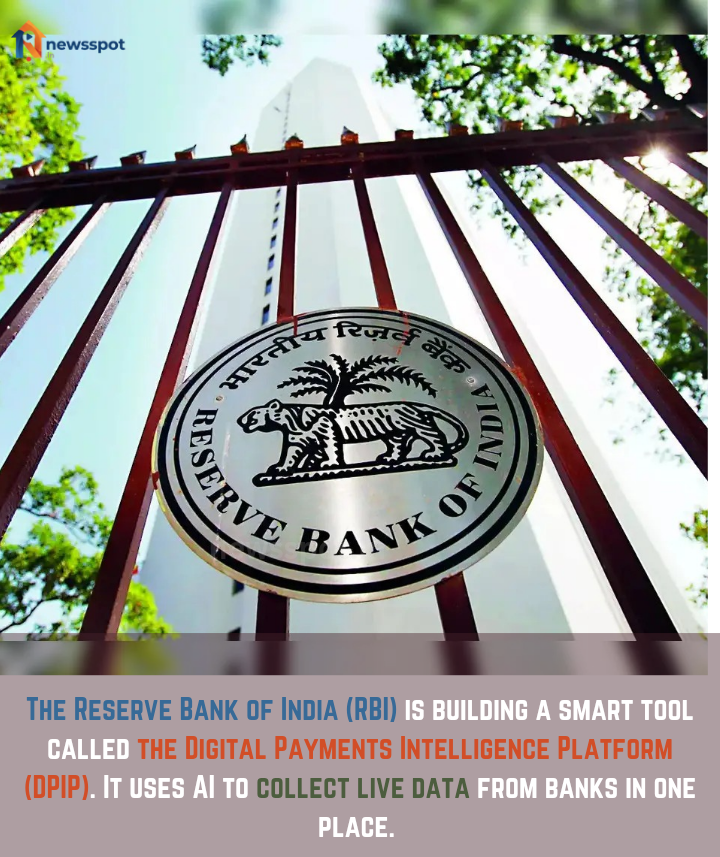
The Digital Payments Intelligence Platform (DPIP), launched by India’s Reserve Bank (RBI), uses smart AI tools to spot and stop online payment scams before they hit. It pulls live data from banks, telecom companies, location info, and cybercrime reports into one hub for quick checks.
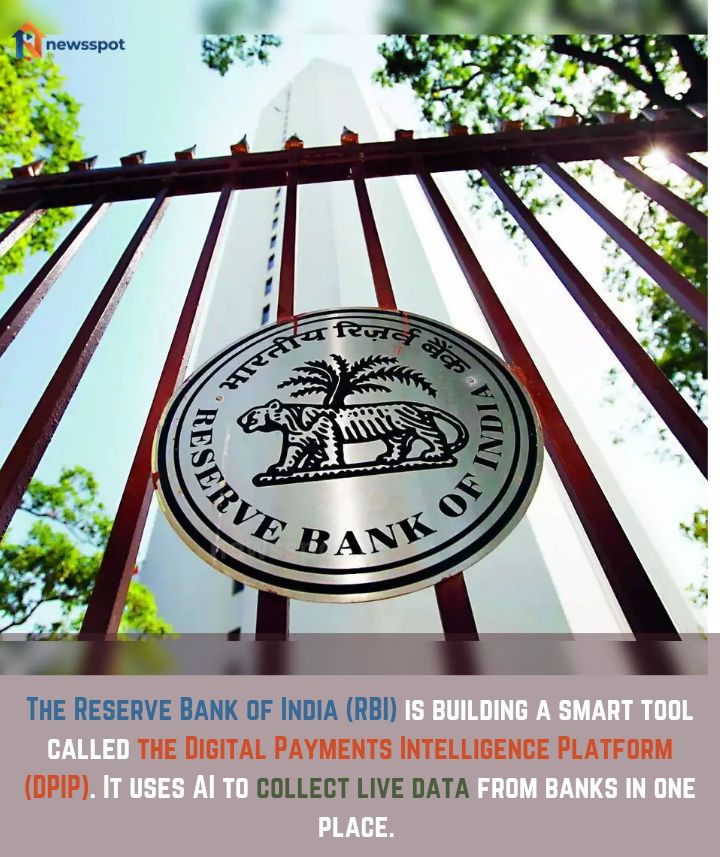
How its AI works in easy steps:
1. Spotting Suspicious Patterns (Anomaly Detection)
AI scans transactions for weird behaviors, like sudden big transfers from new accounts or odd locations.d1faed It uses machine learning (a type of AI that learns from past data) to flag these “anomalies” in real-time, much like a security camera spotting a break-in early.
2. Building a “Bad List” (Negative Registry)
In the first stage, AI creates a shared list of risky people or accounts (like “mule accounts” used by scammers) by matching data from police cyber units (like I4C) and phone companies.c2e4e7 If your transaction links to this list, it gets a red flag instantly.
3. Risk Scoring and Alerts
AI gives every transaction a “risk score” based on factors like sender history, amount, and patterns from millions of past cases.6c3dad High scores trigger warnings to banks or users before money moves—think of it as a “hold up, check this” button that freezes or verifies suspicious deals.
How It All Ties Together
Banks share data safely on the platform, training the AI to get smarter over time. This team-up cuts fraud response from days to seconds, aiming to slash losses (which hit ₹36,000 crore in FY25).261726 It’s like a neighborhood watch powered by AI, making digital payments safer for everyone.
DPIP is still rolling out (piloted with a few banks now), but it’s a big step against rising scams like deepfakes and phishing.