
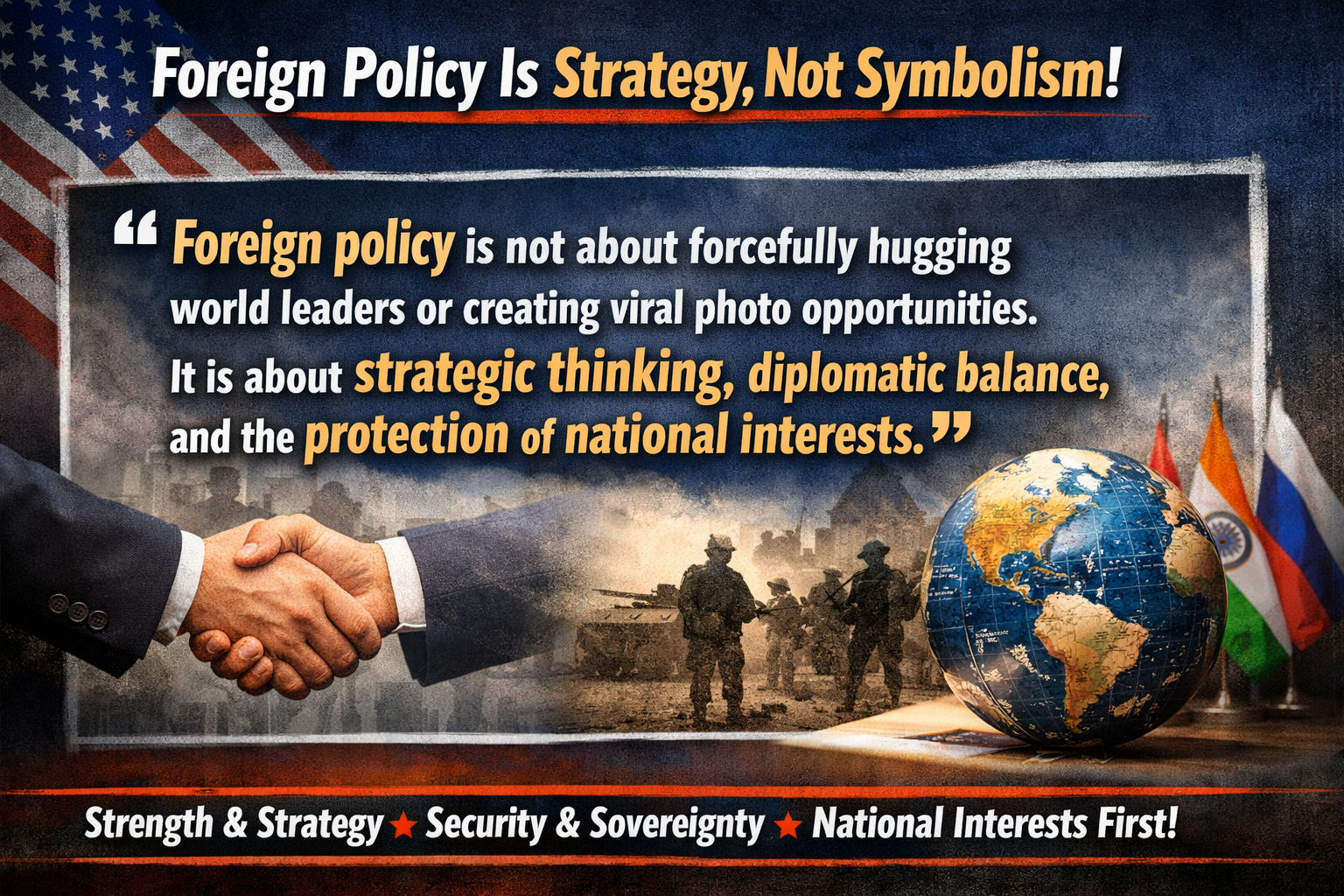
As global tensions rise and alliances shift, leading foreign policy analysts are issuing a stern reminder to world leaders: effective diplomacy is a disciplined exercise in national interest, not a quest for viral social media moments.
The consensus among veteran diplomats and strategic thinkers is becoming increasingly clear: the era of “optics-first” foreign policy is hitting a wall of complex geopolitical reality.
The Risk of ‘Viral’ Statecraft
In an age of 24-hour news cycles, the temptation to prioritize symbolic gestures—from high-profile “hug diplomacy” to choreographed photo opportunities—has never been higher. However, experts warn that these performative displays often lack the strategic depth required to navigate modern international relations.
“Every handshake and public gesture sends a signal that ripples far beyond a bilateral meeting,” says one senior strategic analyst. “When diplomacy is reduced to mere optics, a nation risks diluting its negotiating leverage and sending confusing signals to both allies and adversaries.”
Substance Over Symbolism
The core of the critique lies in the belief that respect on the world stage is earned through tangible power rather than emotional displays. Analysts argue that four pillars remain the foundation of true diplomatic influence:
- Economic Resilience: The ability to withstand global shocks and leverage trade.
- Military Preparedness: A credible deterrent that backs up diplomatic words.
- Consistency of Policy: Avoiding the “flip-flopping” that often accompanies media-driven agendas.
- Clarity of Purpose: Ensuring that every action serves a pre-defined national goal.
National Interest: The North Star
The fundamental principle of statecraft remains the protection of sovereignty and the enhancement of long-term security. Trade agreements and security pacts, experts emphasize, must be judged solely on their ability to strengthen a nation’s foundations, not on how they look in a press release.
As the world transitions toward a multipolar order, the “popularity contest” model of foreign policy is being viewed as a liability. Instead, quiet negotiations, calculated decisions, and strategic foresight are re-emerging as the essential, if less flashy, tools of effective statecraft.